
Paddy Farming Lifecycle: From Soil to Storage
• Land Preparation
- Fields are ploughed using tractors or bullocks
- Soil is levelled for uniform water distribution
- Organic manure is often added before sowing
• Seed Selection & Nursery Raising
- Farmers choose high-yielding, region-specific seeds like MTU-1010 or IR-64
- Seeds are soaked and sprouted before transplanting
- A nursery bed is prepared separately with good drainage
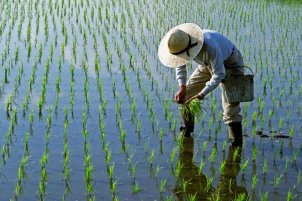
• Transplantation
- After 30–35 days, young seedlings are transplanted into the main field
- Done by hand or using paddy transplanters in large farms

• Irrigation & Water Management
- Paddy fields require 5 to 8 cm of standing water
- Water is managed using canals, tube wells, or rain-fed methods
- Excess water is drained periodically to prevent diseases
• Fertilizer & Weed Control
- Fertilizers (Urea, DAP, Potash) applied in 3 splits
- Weeds managed through hand weeding or herbicides like Butachlor

• Pest & Disease Management
- Farmers use bio-pesticides or integrated pest management (IPM)
- Common threats: leaf folder, brown plant hopper, blast disease
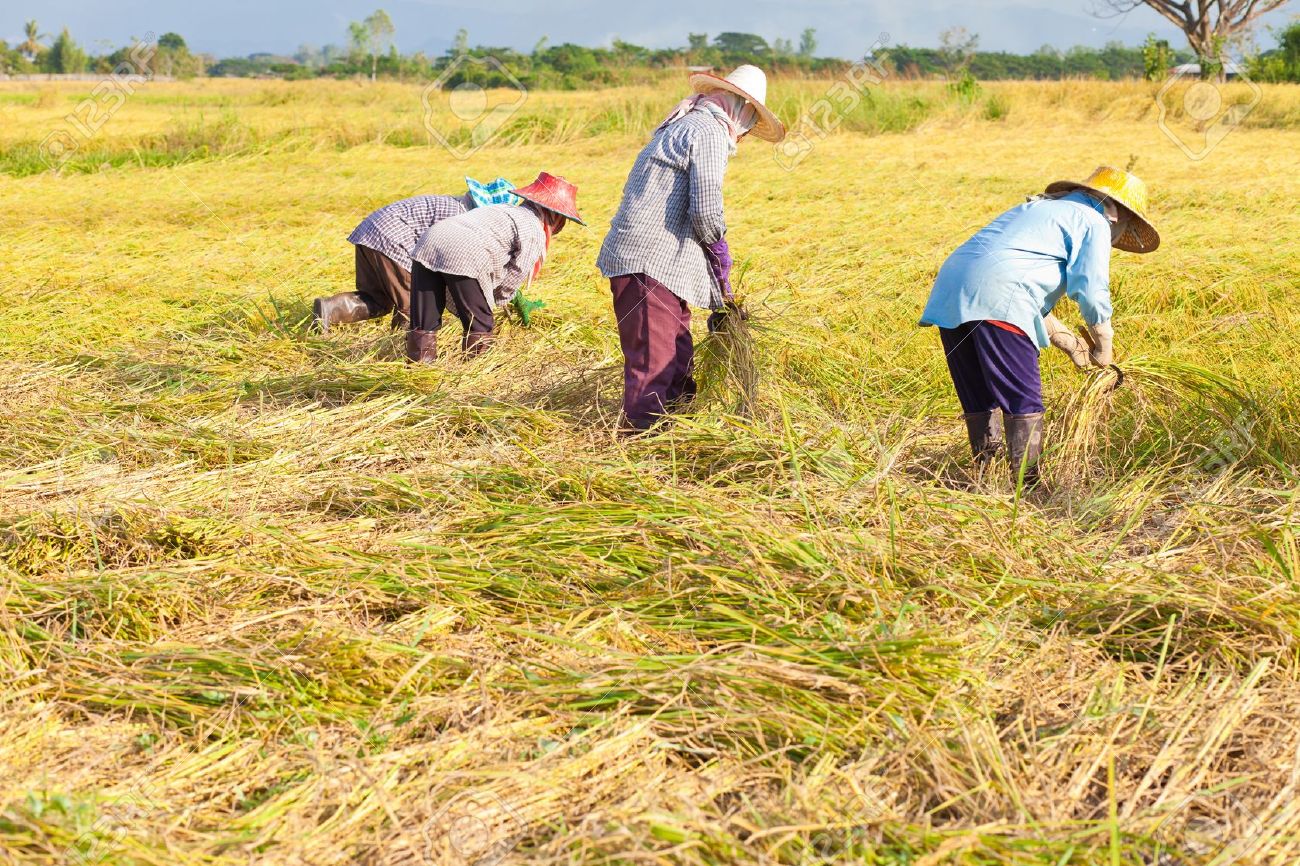
• Harvesting
- Harvested 90 to 120 days after transplanting using sickles or combine harvesters
- Threshing separates grain from husk
• Drying & Storage
- Grains sun-dried to reduce moisture below 14%
- Stored in jute bags or metallic bins to prevent pest attack


Internal Resource
Thinking of shifting to a rural lifestyle? Learn how village life after corporate jobs can bring balance:
Should I Shift to Village After Corporate Life?
For full paddy lifecycle training:
📖 NIOS Official Paddy Farming PDF
Expert Farmer Answers to FAQs
1. How do farmers grow rice?
• Start with nursery, transplant, irrigate, manage pests, then harvest & store
2. If I want to give up everything and start a rice farm in India?
• Begin with a 1–2 acre trial, lease land, and use local agri-extension help
3. Which is the most profitable agri-business?
• Paddy + fishery or organic vegetable farming give better margins than monocrop
4. Can I start rice farming in Kura local government?
• Yes, if you have suitable climate, water access, and basic tools
5. How to start farming in a village?
• Understand soil, water, and crop cycles. Start small. Talk to local farmers.
6. How much can I earn from 100 acres?
• With ₹18K–₹25K/acre margin, 100 acres may give ₹20–25 lakhs profit/year
7. What is the daily routine of a village farmer?
• Wake at 5AM, check fields, irrigate, weed, manage labor, rest post-lunch, repeat
8. How do we help village farmers?
• Buy directly from FPOs, promote organic produce, volunteer in agri-tech drives
9. Are Indian farmers using modern tools?
• Yes! Tractors, power weeders, transplanters, and drone spraying are growing
10. How do they transport harvested rice?
• Use bullock carts or tractors locally, and grain is sold at mandis or FCI
#PaddyFarmingIndia #VillageFarmingLife #HowFarmersGrowRice #RuralIndia #IndianAgriculture
#FarmersOfIndia #RiceCultivation #AgriBusinessIndia